What Makes a Self-Hypnosis App Effective? 7 Criteria to Look For
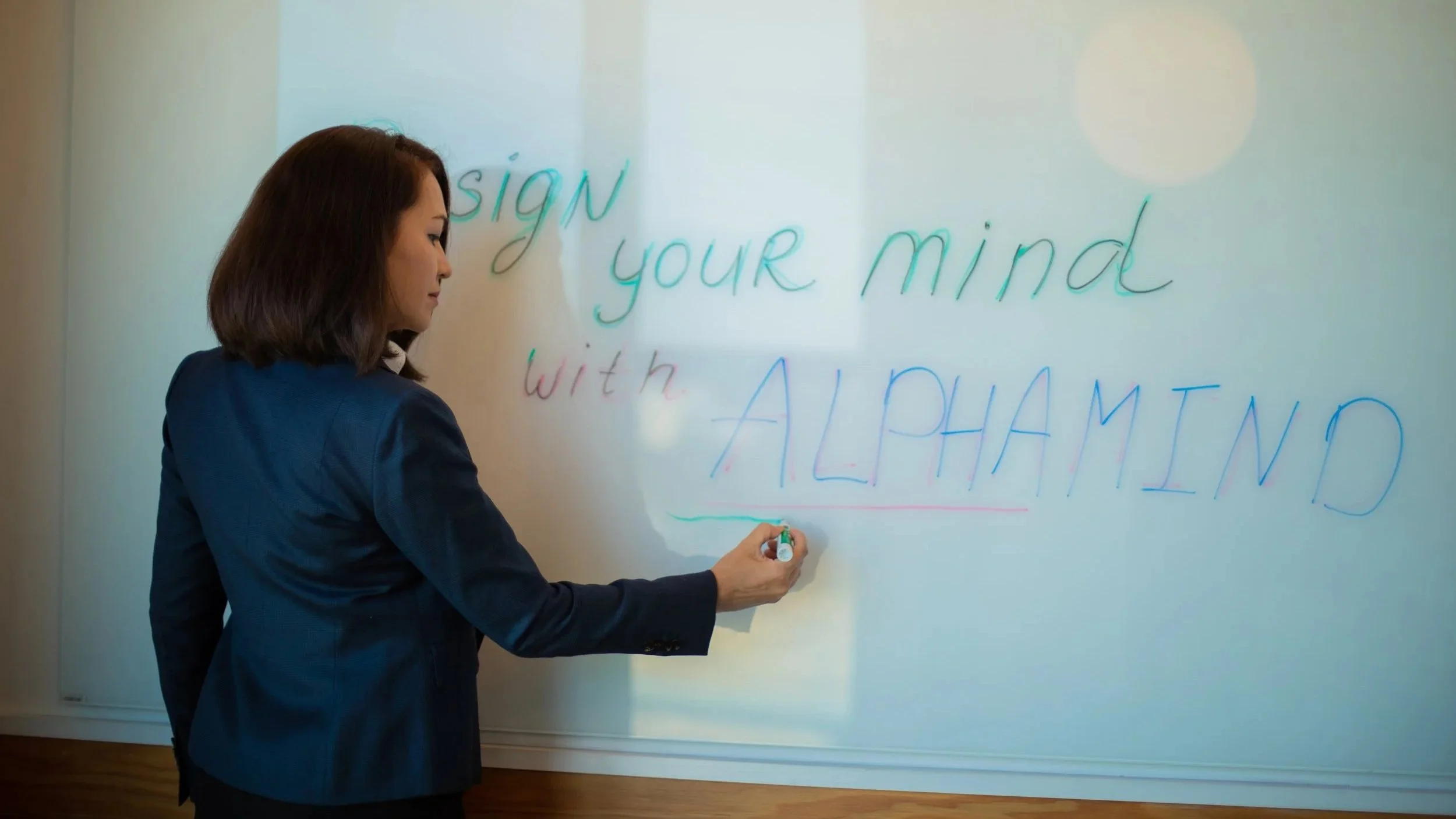
Hypnosis has gained significant popularity over the past two decades as more evidence-based research has emerged supporting its effectiveness. As awareness increased, so did the number of self-hypnosis apps available in app stores.
Today, you’ll find dozens of options.
Many promise confidence, better sleep, habit change, emotional healing, and productivity boosts. Some offer hundreds of ready-made audio tracks, like our sister app HypnoCloud. Others rely on soothing music, binaural beats, or calming narration. More recently, apps have begun incorporating AI-generated scripts and personalization features.
But if someone asks, “What’s the best self-hypnosis app?”, the better question is:
What actually makes one effective?
Because not all hypnosis apps are built the same — and not all produce meaningful subconscious change.
Every app serves a different purpose. Some are designed primarily for relaxation. Others focus on content libraries. A smaller group aims to provide structured subconscious conditioning.
Before downloading anything, here are seven criteria that determine whether a self-hypnosis app can genuinely support lasting internal change.
1. It Goes Beyond Relaxation
Relaxation is not hypnosis.
Meditation and hypnosis are often grouped together, but they are fundamentally different processes. Meditation typically builds awareness — observing thoughts without attachment. Hypnosis, by contrast, is structured influence. It combines a receptive mental state with intentional suggestion.
An effective self-hypnosis app understands this distinction. It does not stop at calming audio. It includes structure:
A clear induction phase to focus attention
A suggestion phase where change language is introduced
Reinforcement to stabilize the suggestion
A clean emergence to reorient
If an app only helps you relax, it may feel pleasant — but it is not fully leveraging the mechanics of subconscious conditioning.
When evaluating the best self-hypnosis app, ask whether it truly follows hypnotic structure or simply provides relaxation tracks.
2. It Allows Real Personalization
Generic affirmations rarely stick.
The subconscious responds best to language that feels believable and emotionally relevant. When phrasing feels exaggerated or disconnected from your lived experience, your internal system quietly resists it.
An effective self-hypnosis app allows you to:
Adjust wording
Clarify your intention
Shape language to match your psychological reality
Ideally, design your own script
Customization increases congruence. And congruence increases acceptance.
If you’re searching for the best self-hypnosis app for personal growth or habit change, personalization is not a luxury — it’s essential.
3. It Encourages Repetition and Structure
Subconscious change is not a one-session event.
Neural pathways strengthen through repetition. One powerful session may inspire you, but consistent exposure creates conditioning.
An effective app supports:
Daily listening
Clear usage cycles (for example, 7- or 21-day focus periods)
Gentle reminders without overwhelm
Consistency is more powerful than intensity. A well-designed system makes repetition natural and sustainable.
If an app does not encourage structured repetition, long-term change is unlikely.
4. It Understands Suggestion Design
Not all affirmations are equal.
Effective suggestion language:
Is believable
Avoids unrealistic claims
Focuses on identity and behavior rather than fantasy
Aligns with values
Feels emotionally coherent
For example, “I am perfectly confident in every situation” may create resistance. But “I am learning to remain grounded and steady under pressure” is psychologically integrative.
The best self-hypnosis app either teaches you how to craft suggestions properly or provides scripts grounded in behavioral psychology.
Language structure determines subconscious acceptance.
5. It Respects Emotional Complexity
Real change is not just “think positive.”
Behavioral blocks often involve:
Shame
Unresolved emotional experiences
Conditioned reactions
Identity conflicts
An effective self-hypnosis app does not bypass these layers with forced positivity. Instead, it acknowledges emotional complexity and integrates reflection where appropriate.
Surface-level affirmation without emotional integration rarely produces durable results.
If an app ignores emotional processing entirely, its results may remain shallow.
6. It Ultimately Builds Autonomy
This may be the most important criterion.
The goal of hypnosis is not dependence. It is self-regulation and self-direction.
A strong system teaches you:
How to build effective scripts
How to enter receptive states independently
How to condition new responses
How to internalize tools so they become automatic
The best self-hypnosis app does not aim to keep you reliant on it forever. Over time, it strengthens your autonomy.
You become the architect of your own mental conditioning.
7. It Is Designed by Credible Professionals
Hypnosis is not a tightly regulated field. In many places, someone can complete a short course and begin calling themselves a hypnotherapist. That accessibility has advantages — but it also requires discernment from users.
If you are evaluating the best self-hypnosis app, look beyond features and interface design. Research the background of the creators.
Consider:
Do they have relevant academic education?
Do they have years of real-world experience?
Are they certified by recognized institutions?
Do they demonstrate thought leadership or publish work?
Is there verifiable social proof?
Subconscious work is powerful. The philosophy and training behind the tool matter.
A Note on AlphaMind
AlphaMind was designed around a simple principle: self-hypnosis should be structured, deliberate, and personalized — not passive.
Rather than functioning purely as a large content library, it was built as a system for creating and installing your own scripts. The framework reflects principles used in executive coaching, behavioral change models, and clinical hypnotherapy practice.
The founder, Elena Mosaner, is an executive coach certified by the International Coaching Federation (ICF), with decades of experience working with individuals on performance, emotional regulation, and identity-based change. Her academic background includes two science degrees from reputable U.S. institutions, and her work spans coaching, authorship, and structured transformation programs.
When choosing a self-hypnosis app, don’t focus only on ratings or the number of audio tracks available.
Ask instead:
Does this app understand the mechanics of subconscious influence?
Does it allow personalization?
Does it support structured repetition?
Does it build autonomy over time?
Is it grounded in credible psychological foundations?
The best self-hypnosis app is not necessarily the most popular one. It is the one aligned with how lasting change actually happens.